
Balance bike: learning balance before cycling
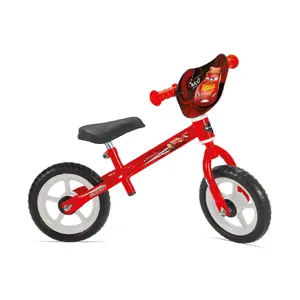
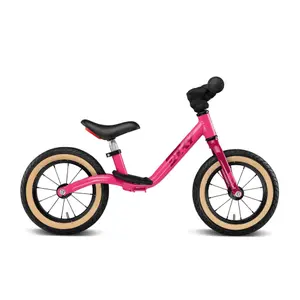
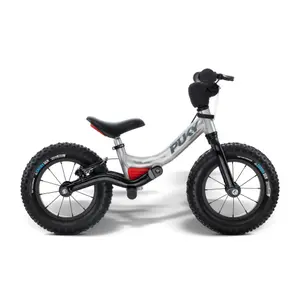
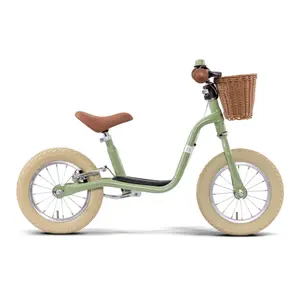
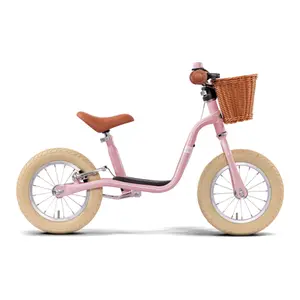

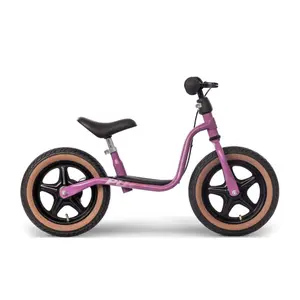
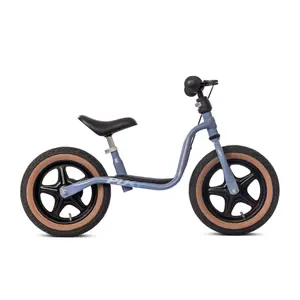
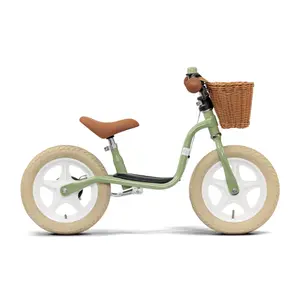
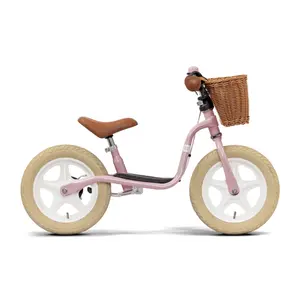
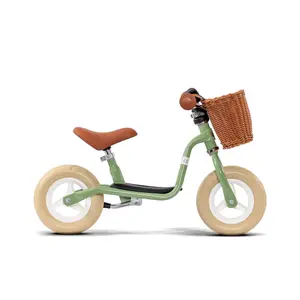
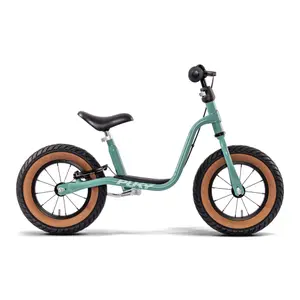


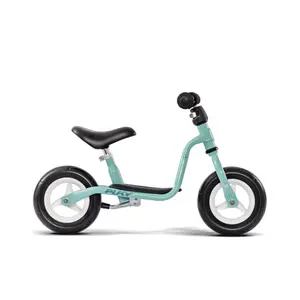
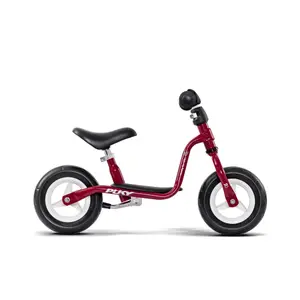
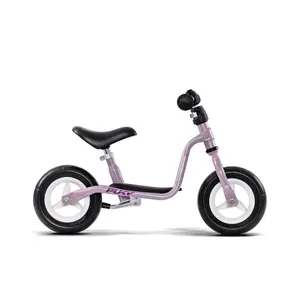
The balance bike, a pedal-free bike, helps little ones learn to balance by pushing with their feet. It prepares them for a pedalled bike without using stabilisers. Choose it based on the child's inseam, which should allow them to have their feet flat on the ground while sitting on the saddle.
What is a balance bike for?
A balance bike helps learn balance, steering, and braking before moving on to pedals. The child walks, then runs while sitting, and eventually lifts their feet to glide. Once balance is achieved, transitioning to a pedal bike often happens in just a few tries, without training wheels.
From what age?
A balance bike can be used from around 18 months, if the child walks well and their inseam is about 23 cm, with 10-inch wheels and a low seat. It then accompanies the child until they are ready for their first bike, often around three or four years old.
How to choose the right size?
Measure the child's inseam, barefoot, then choose a balance bike with a minimum seat height that is a few centimetres lower: while sitting, they should be able to place both feet flat on the ground, with knees slightly bent. An adjustable seat and handlebar extend the bike's usable life.
What criteria to compare?
- Weight: a lightweight balance bike is easier to handle and lift.
- Tires: inflatable for comfort and grip, foam to avoid punctures.
- Brake: a rear hand brake introduces braking before moving to a bike.
- Steering limiter: it prevents the handlebars from turning too much and causing the child to fall.
Other children's bikes
For younger kids or those not yet comfortable standing, tricycles are a first step. Once balance is mastered, it's time for children's and junior bikes. All selections are gathered in children's bikes.
Which balance bike brands to choose?
woom, an Austrian brand that only makes bikes for children, offers very lightweight balance bikes for first steps.
Puky, a German brand, makes balance bikes suitable for children from two years old, known for their quality and safety.
Globber, founded in France, offers balance bikes for little ones, like the Go Bike.
Where to find a balance bike on sale?
Balance bikes from previous collections can be found in sale bikes, while new models are in the new arrivals. The end-of-year holidays and birthdays are often a good occasion to give one.
Frequently asked questions
Is a helmet required on a balance bike?
Yes. A balance bike is considered a bicycle, and wearing a helmet is mandatory for children under 12. Choose a helmet that fits their head size.
Balance bike with or without brake?
Younger kids brake with their feet. A rear hand brake becomes useful once the child picks up speed, teaching them the action they'll use on their bike.
How long does a child use a balance bike?
Generally from one to two years, depending on the starting age and their progression. An adjustable-height balance bike accommodates growth for a longer time.
How to know if the child is ready for a pedal bike?
When they glide with their feet up for a while, turn and brake without hesitation, they are ready. Transition to a bike happens with one of the right size, without training wheels.
Can a balance bike be ridden outside on paths?
Yes, especially with inflatable tires that grip better on grass and gravel. Foam tires are better for smoother surfaces.







