
Bikes for the city: find the right model for your journeys
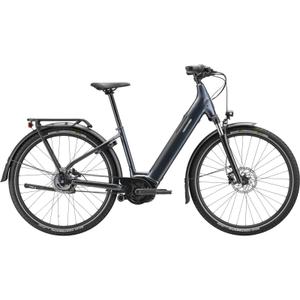
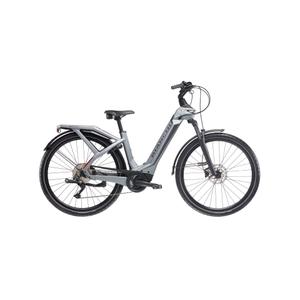
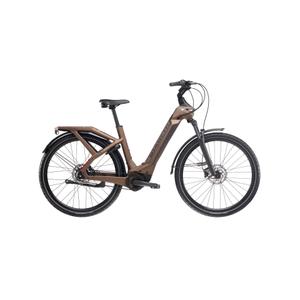
Starting at £1,992.78
£1,726.96
Starting at £1,992.78
£1,726.96
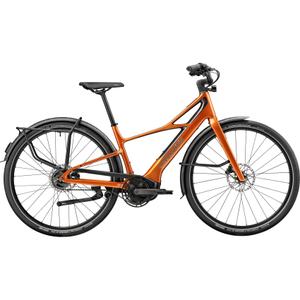
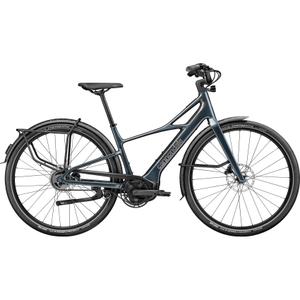
Starting at £3,584.51
£3,226.05
Starting at £3,584.51
£3,226.05
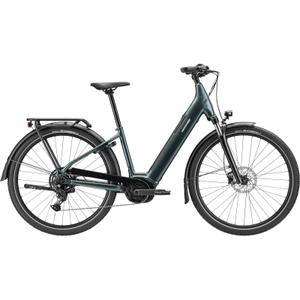
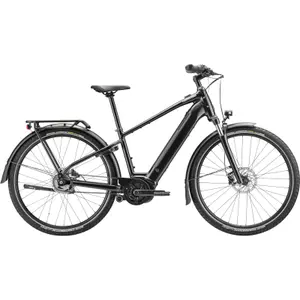
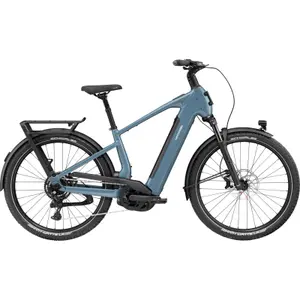
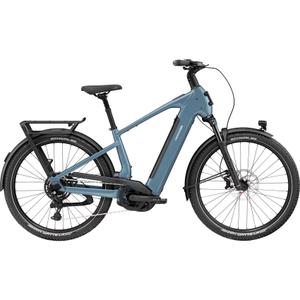
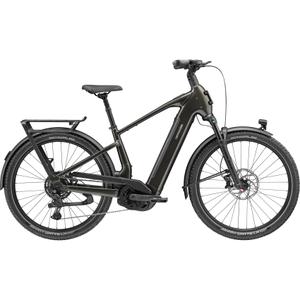
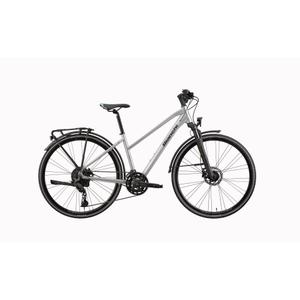
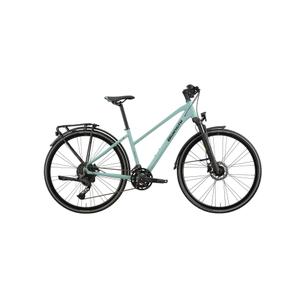
Starting at £908.84
£848.97
Starting at £908.84
£848.97
Starting at £908.84
£848.97
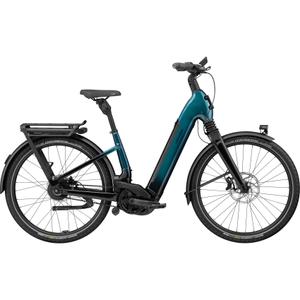
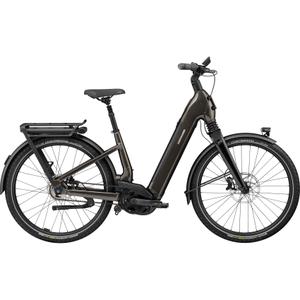
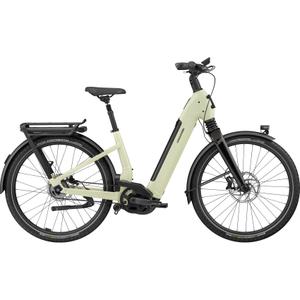
Starting at £4,168.17
£4,134.21
Starting at £908.84
£848.97
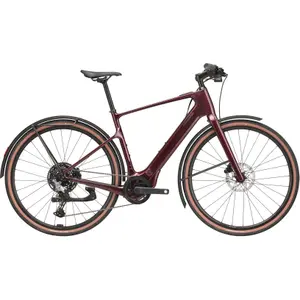
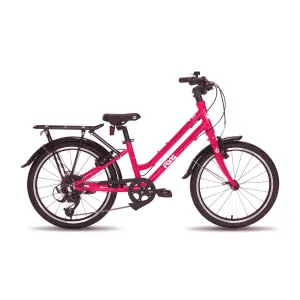
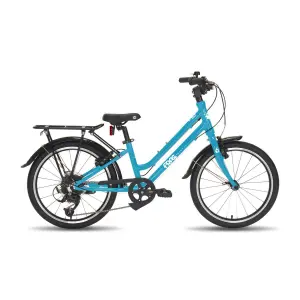
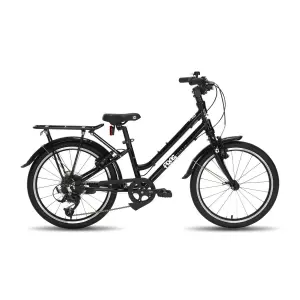
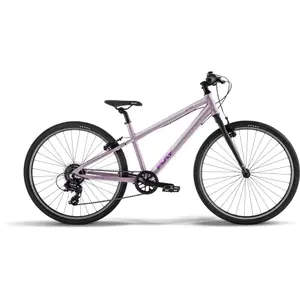
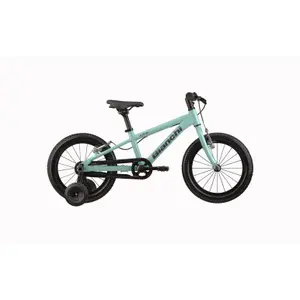
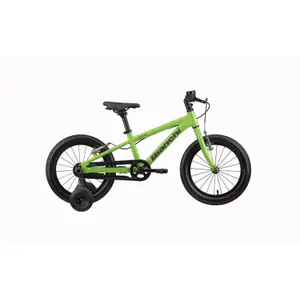
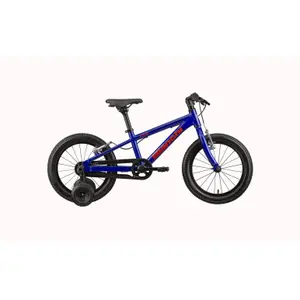
An urban bike is chosen based on your journeys: their length, the terrain, what you carry, and where you store it. E-bikes to go further without exertion, city bikes and hybrids for everyday use, folding bikes to combine train and bike, cargo bikes for children and shopping, kids' bikes to learn: each type meets a specific need.
Which bike should you choose for getting around town?
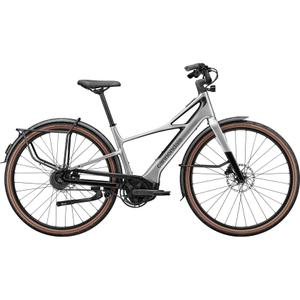
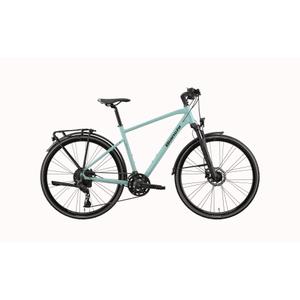
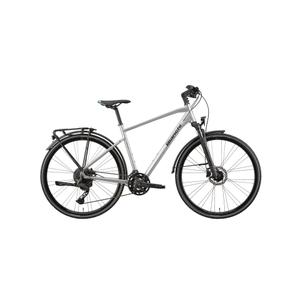
The right bike is the one that suits your most frequent journey. For a few kilometres on flat terrain, a city bike without assistance is enough and stays light. As soon as the distance increases, with hills to tackle or if you want to arrive without breaking a sweat, electric assistance makes a difference. If your route also includes paths or greenways, a hybrid bike provides comfort and versatility.
Two factors also guide the choice: storage and transport. A folding bike can fit under a desk or in a train, while a cargo bike replaces the car for dropping off kids or doing the shopping.
Electric bike or bike without assistance?
An electric bike helps you up to 25 km/h as long as you pedal: it smooths out hills, wind, and fatigue, at the expense of a heavier weight and a battery that needs charging. A bike without assistance is lighter, simpler to maintain, and easier to carry up stairs. Many urban cyclists start with a traditional bike, then switch to electric when their journeys get longer.
What equipment should a bike have for riding in the city?
The Highway Code mandates two brakes, one at the front and one at the back, a bell that can be heard from 50 metres away, white reflectors at the front, red at the back, orange on the wheels and pedals, as well as a white or yellow front light and a red rear light for riding at night or in poor visibility. Outside built-up areas at night, cyclists must wear a reflective vest.
Beyond the essentials, mudguards, a luggage rack, a kickstand, and a chain guard make the bike more practical for everyday use. Lastly, make sure to have a lock that matches the value of the bike.
How to choose the right size of your bike?
The frame size should be chosen based on your inseam rather than your overall height: each manufacturer provides a guide that links the two. A low frame, known as a step-through, is easy to mount, which is a plus if you're wearing a skirt or frequently getting on and off the bike. When seated, your leg should remain slightly bent when the pedal is at the lowest point.
Our bike categories
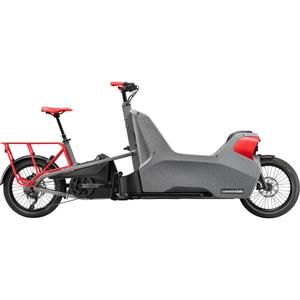
Electric bikes bring together city models and hybrid bikes with assistance. City bikes and hybrids cover bikes without assistance for everyday use, as well as adult tricycles. Folding bikes ease intermodal transport and storage. Cargo bikes carry children and loads. Children’s bikes support learning, from balance bikes to junior bikes.
Which bike brands to choose?
Volare, a Dutch manufacturer, focuses on children’s bikes, with modern designs and robust construction.
woom, an Austrian brand, designs only bikes and balance bikes for children, significantly lighter than standard children's bikes and tailored for each age.
Frog Bikes, a British brand, equips its children’s bikes with a lightweight aluminium frame to aid learning.
Kross, the first bike manufacturer in Poland, covers city use, trekking, and children’s bikes.
Adriatica designs and manufactures its bikes in Italy, from city bikes to vintage and electric models.
Dahon is one of the pioneers of folding bikes, with compact models designed for urban trips.
Where to find bikes on sale?
Models from previous collections and the last remaining pieces can be found in the clearing sale bikes. New models arrive in the new arrivals. Black Friday, the holiday season, and winter sales are also great times to get a new bike.
Frequently asked questions
What bike should you choose for commuting to work?
For a few kilometres on flat terrain, a city bike equipped with mudguards and a luggage rack is very suitable. For a longer, hilly journey, or to arrive without effort, an electric city bike is a better choice. If you combine cycling and train transport, consider a folding bike.
Can you take your bike on the train?
Yes. A folding bike that fits within 90 x 130 x 50 cm when folded travels for free as hand luggage on SNCF trains, without reservation. For a non-folding bike, the conditions vary depending on the type of train: check them before departure.
What bike is best for teaching a child?
A balance bike teaches balance from a very young age, before progressing to a pedal bike without training wheels. The size of the bike should be chosen based on the child's height, not their age, and wearing a helmet is mandatory until the age of 12.
How to maintain a bike used every day?
Regularly check the tire pressure and wear on brake pads or discs, and lubricate the chain after it rains. A hub with integrated gears or a belt drive significantly reduces maintenance.
Can a city bike ride on paths?
Yes, on stabilized paths and greenways, at moderate speed. For regular use off the pavement, a hybrid bike, with its wider tires and often suspended fork, provides more comfort and stability.