
Kids' bikes: from balance bikes to junior bikes


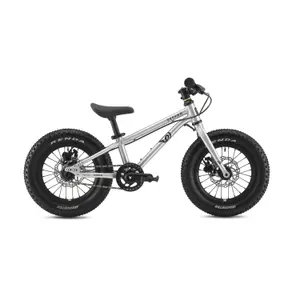


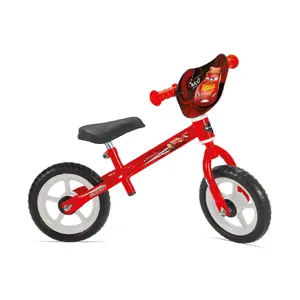


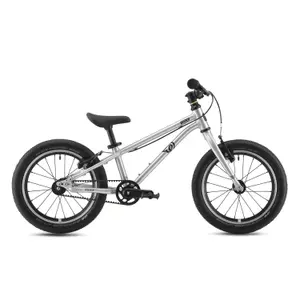


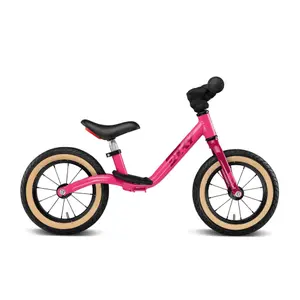
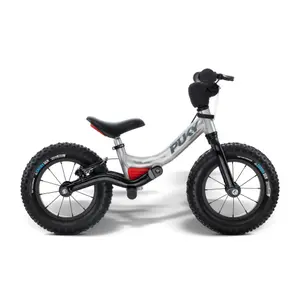
A child's bike is chosen based on their height and leg length, not their age. The tricycle and balance bike support the first steps, followed by bikes ranging from 12 to 26 inches, with increasing features. A lightweight bike that is the right size makes learning quicker and safer.
What bike for what age?
Each stage has its own ride. The tricycle entertains little ones, the balance bike helps them learn how to balance as soon as they are walking well, then the pedal bike takes over without training wheels once the balance bike has done its job. Wheel sizes then increase with growth, up to junior bikes that look like adult bikes.
How to choose the size of a children's bike?
As a guideline, a balance bike is suitable for children up to about 90 cm tall, a 12-inch bike for 85 to 100 cm, a 14-inch bike for 95 to 110 cm, a 16-inch bike for 105 to 120 cm, a 20-inch bike for 115 to 130 cm, and a 24-inch bike for over 130 cm. These ranges overlap: the inseam measurement is key.
To measure it, place a book between the child's legs, with bare feet against a wall, and measure from the floor to the top of the book. The saddle should then be adjusted to one or two centimeters below the inseam for the first rides, so the child can touch the floor with their feet.
Why is weight so important?
A children's bike can weigh a significant portion of the child's body weight: the lighter it is, the easier it is to handle, lift and brake. Specialist brands lighten frames and components so that the child can progress quickly and continue enjoying riding.
What safety measures for a child on a bike?
Until the age of 12, wearing a helmet is mandatory for the child, whether they are riding their own bike or being transported by an adult. Ensure that the brake levers are suitable for small hands, that the bike has reflectors and a bell as required by the Highway Code, and add lights if the child is riding at dusk.
Our categories of children's bikes
The balance bikes teach balance before pedalling. The tricycles support toddlers, often with a parental push handle. The children's and junior bikes cover sizes from 12 to 26 inches. To transport a child too young to pedal, consider the cargo bikes.
Which children's bike brands to choose?
Volare, a Dutch manufacturer specializing in children's bikes, combines a modern design with robust construction.
woom, an Austrian brand, designs only lightweight bikes and balance bikes for children, tailored for each age group.
Frog Bikes, a British brand, focuses on lightweight aluminium frames to aid learning.
Globber, founded in France, offers adaptable models for little ones, like the Learning Bike, a tricycle that grows with the child.
Puky, a German brand, produces balance bikes and children's bikes renowned for their quality and safety.
Where to find discounted children's bikes?
Children grow quickly: the clearance bikes allow for a size change at reduced prices, and new models arrive in the new arrivals. The end-of-year holidays are still the perfect time to give a first bike.
Frequently asked questions
At what age can a child ride a bike without training wheels?
There is no fixed age: a child who has used a balance bike often masters balancing and can pedal without training wheels from their first attempts. Without a balance bike, training wheels can sometimes delay this learning.
Should I buy a slightly larger bike to make it last?
No, a bike that is too big is hard to manage and can discourage the child. Choose the appropriate size for today, with a seat post that allows a bit of adjustment to accompany growth.
Is a helmet mandatory for a child?
Yes, until the age of 12, whether the child is riding the bike or being transported. Choose it based on their head circumference and ensure it doesn’t tilt once the adjustment dial is tightened.
Balance bike or tricycle for a two-year-old?
The balance bike directly prepares for riding by teaching balance. The tricycle is suitable for younger children or those who are not yet comfortable standing and is often pushed with a parental handle.
Can you ride on the pavement with a child on a bike?
The Highway Code allows children under 8 to ride on the pavement at walking pace and without obstructing pedestrians. Beyond that age, they must ride on the road or cycle paths.







