
Electric bike motors, screens and controls


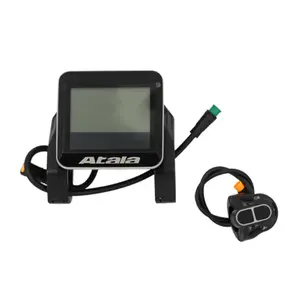
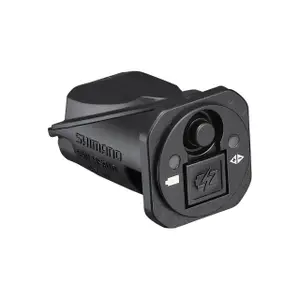


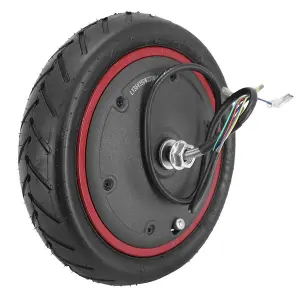


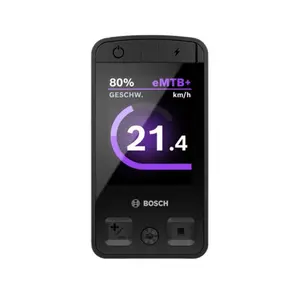


The display, handlebar control, controller, and motor make up the assistance system of an electric bike. Broken screen, unresponsive control, faulty controller: most of these parts can be replaced, as long as you stay within the same system. Motor guards, replacement controllers, and motors complete the range.
What role does each part play?
- The display: it shows speed, assistance level, and battery charge.
- The controller: the buttons on the handlebars that adjust the assistance and lighting.
- The controller: the electronic box that manages the motor, often integrated with the motor or the battery.
- The motor: central, at the pedal crank, or in the hub of the front or rear wheel.
How to find the right part?
These parts communicate with each other: a display must be compatible with the motor, its generation, and its connector. Note the brand and model of the motor, the reference of the original part, and the number of pins on the connector. If in doubt, the original reference remains the safest way to avoid incompatibility.
Protecting your motor
A central motor, placed low under the frame, is exposed to splashes and shocks. A motor guard, made of durable plastic, protects it from stones, curbs, and steps. After cleaning, avoid high-pressure jets towards the motor and connectors, and let the bike dry before reconnecting the battery.
What the Highway Code forbids
An electric bike cuts assistance at 25 km/h, with a motor of no more than 250 watts nominal power. Any modification aiming to exceed these limits, on the motor, display, or speed sensor, is prohibited and heavily penalised. A modified bike loses its bike status and no longer belongs on the road.
Other electric bike parts
For autonomy, see the batteries and chargers. The cables, locks, and battery mounts connect the system. The entire selection is in the electric bike parts.
Which brands to choose?
Yamaha offers the Display X and replacement PW-SE motors.
Contec offers the Neo motor protection.
Bafang provides rear wheel and central motors for electric bikes.
Torpado offers controllers and displays for its electric bikes.
Wheelyoo offers controllers for electric scooters.
Where to find a display on promotion?
Displays, controllers, and end-of-line controllers are gathered in the clearance parts, and new items in the new arrivals. Note the original reference before ordering.
Frequently asked questions
Can you replace the display with a newer model?
Only if it is compatible with your motor and its generation; a software update may be necessary.
My display won’t turn on, what should I check?
The battery charge and lock, then the connectors of the display, before replacing it.
Can you replace a motor yourself?
This is a technical job, preferably to be entrusted to a workshop.
A motor in the hub or at the pedal crank?
The central motor offers more natural assistance; the hub motor is simpler and often cheaper.
Is derestricting allowed?
No, it is prohibited by the Highway Code, for both the user and the seller.