
Bike rear lights: being seen by those behind you
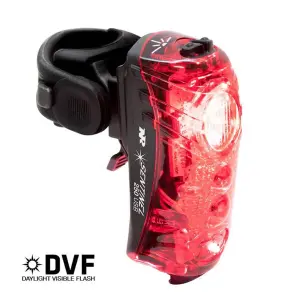


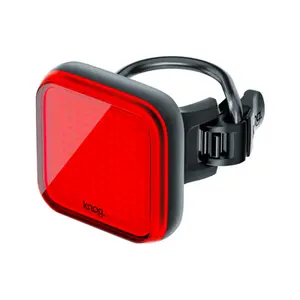

The red rear light is mandatory at night and in poor visibility: it alerts vehicles coming up behind you. Rechargeable on the seat post, powered by a dynamo on the rack or mudguard, with or without a brake light, it must remain clearly visible and never covered by a bag.
Why is a rear light essential?
Most cyclists watch the front, but the danger often comes from behind, from a faster vehicle that needs to spot you in time. The red rear light, required at night and in low visibility, adds to the red rear reflector. A powerful and well-placed light makes you visible from afar.
Where to attach your rear light?
- On the seat post: simple and universal, but watch out if you’re carrying a bag or wearing a long coat.
- On the luggage rack: ideal for a city bike, often having a dynamo, with standard fitting distances.
- On the mudguard: discreet and integrated, often connected to a dynamo.
- On the helmet: a higher addition, better seen by drivers.
What is a stop light for?
A rear light with a stop function gets brighter when you slow down or brake, just like in a car. It warns the vehicle behind you and reduces the risk of rear-end collisions, especially at traffic lights and intersections.
What power for the rear light?
In the city, a rear light of 30 to 50 lumens is enough to be seen without blinding others. A flashing mode during the day grabs attention in traffic. At night, a steady or low-flashing mode helps other road users judge your distance.
The other lights
The front light is mandatory too, and the lighting kits have both. You can find the entire selection in the lighting.
Which rear light brands to choose?
NiteRider offers powerful rear lights like the Sentinel and the Sentry.
Spanninga, a Dutch manufacturer of dynamo lighting, has lights for rear racks like the Lineo and for mudguards like the Vena.
Cateye features compact rear lights, such as the VIZ150 and the Omni 5.
Axa offers the Dynamo Ray for luggage racks and a rear light with a USB-C rechargeable stop light.
P2R has dynamo rear lights for mudguards and a seat post light with a braking indicator.
Knog offers Blinder rear lights, including a version that attaches to the luggage rack.
Where to find a discounted rear light?
End-of-line rear lights are gathered in the safety and visibility clearance sale, and new arrivals are in the new arrivals. A spare light can also fit in a sports bag.
Frequently asked questions
Does the rear light have to be red?
Yes, a bike's rear light must be red. The rear reflector is red too.
Is a rear light on a backpack enough?
It complements the lighting, but the bike must have its own rear light. A backpack can flip over or obscure the light.
How to choose a rack light?
Check the fitting distance on your rack, which is often standard, and the power source: dynamo, batteries, or rechargeable.
Is a stop light mandatory?
No, it is not required on a bike, but it significantly enhances your safety by signalling your slowdowns.
What is a danger spacer?
It is a reflective arm fixed to the left rear of the bike, encouraging drivers to keep their distance when overtaking you.







